
Strange Vehicle Smells You Shouldn’t Ignore

Your vehicle often provides warning signs when something isn’t working properly, and not all of them come from dashboard warning lights. Sometimes, your sense of smell is the first clue that a component is overheating, leaking, or beginning to fail. An unusual odor doesn’t automatically mean a major repair is needed, but it can point to a problem that should be inspected before it becomes more serious.
Uneven Tire Wear Doesn’t Happen By Accident
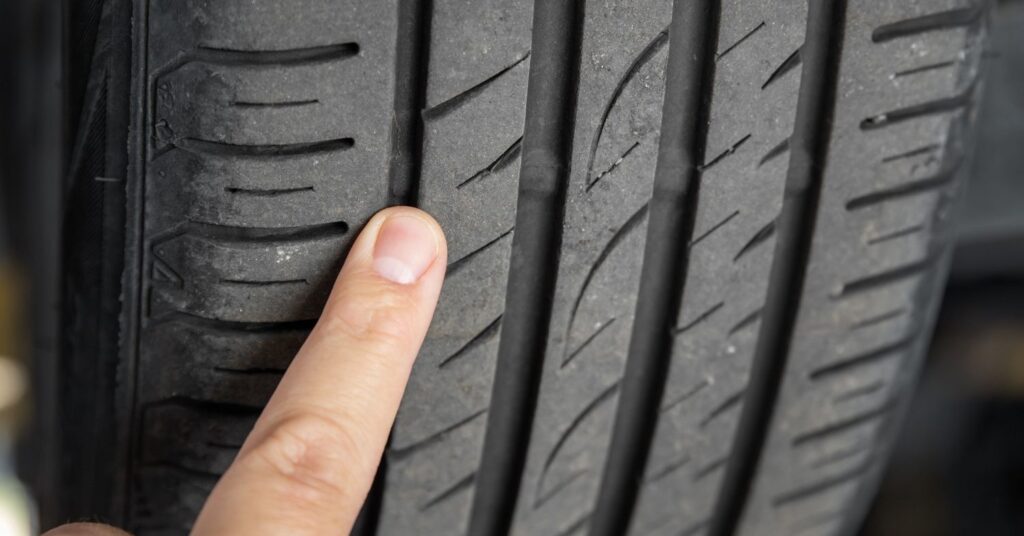
Your tires are designed to wear down over time, but they should wear evenly across the tread. When one edge wears faster than the other, the center wears prematurely, or patches of the tire begin wearing irregularly, it’s often a sign that another part of your vehicle isn’t functioning as it should. While replacing worn tires may seem like the obvious solution, it won’t address the underlying problem that caused the uneven wear in the first place.
5 Vehicle Habits That Could Be Costing You Money

Owning a vehicle is about more than simply fixing problems when they arise. How you drive and maintain your car every day can significantly affect its long-term reliability and how much you spend on repairs. While many mechanical failures come from normal wear and tear, others can be traced to small habits that gradually put unnecessary stress on your vehicle.
Why Does My Steering Wheel Shake at Highway Speeds?

A steering wheel that vibrates while driving at highway speeds often indicates that something within your vehicle’s tires, wheels, suspension, steering, or braking system isn’t functioning properly. While the vibration may begin subtly, it’s a symptom that shouldn’t be ignored. Identifying the source early can help prevent unnecessary tire wear, improve ride quality, and reduce the likelihood of more extensive repairs down the road.
Why Is Water Dripping Under My Car When the A/C Is On?
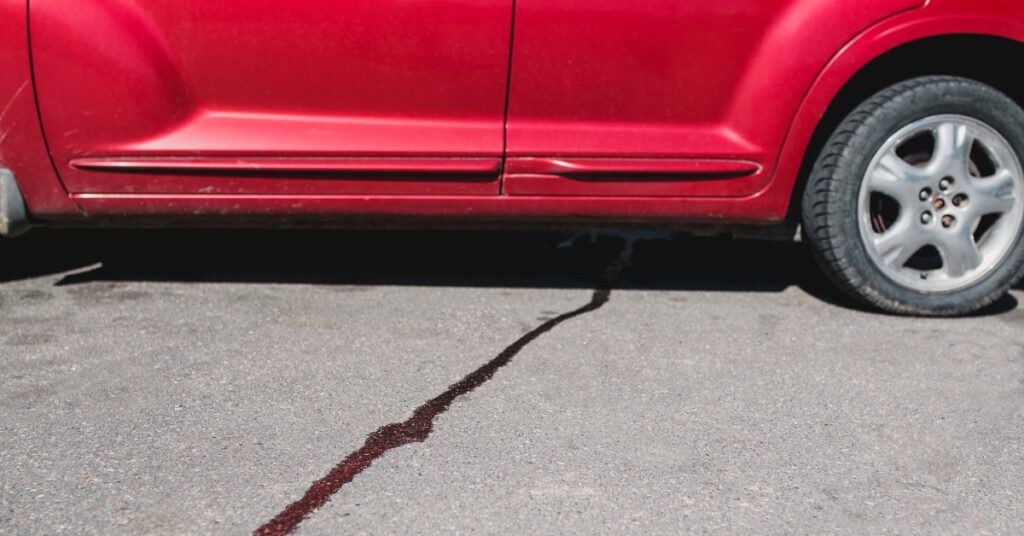
Seeing a puddle underneath your vehicle after running the air conditioner can be alarming if you aren’t sure what you’re looking at. Fortunately, water dripping from your vehicle while the A/C is running is often completely normal. In fact, it’s usually a sign that your air conditioning system is removing humidity as it cools the cabin. However, it’s also important to know when moisture beneath your vehicle could indicate a problem requiring professional attention.
6 Signs Your Shock Absorbers Are Wearing Out
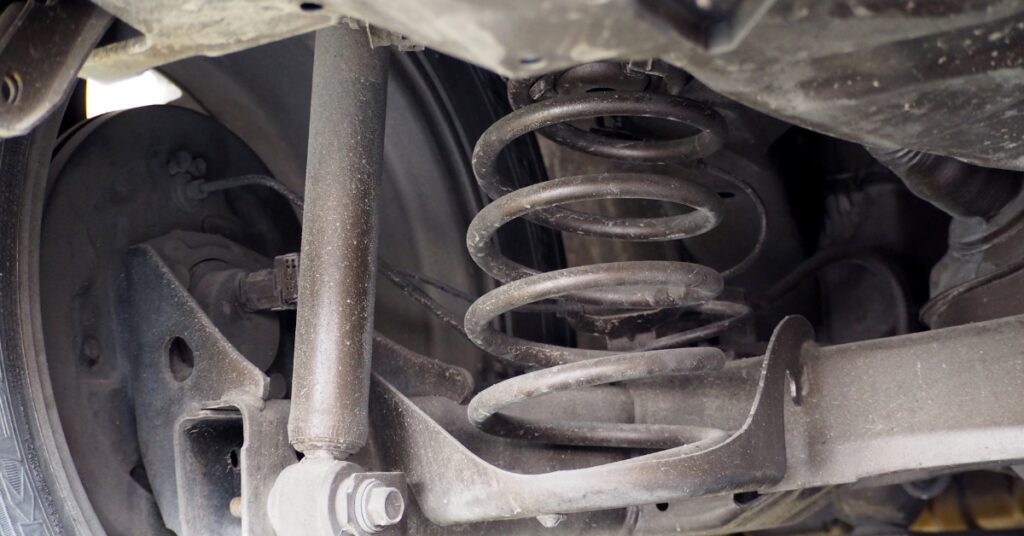
Your vehicle’s shock absorbers play a critical role in maintaining ride comfort, handling, and overall stability. While many drivers associate shocks with creating a smoother ride, they actually do much more than absorb bumps in the road. Shock absorbers help keep your tires firmly planted on the pavement, allowing your steering, braking, and suspension systems to work together as intended. As shocks wear out over time, you may begin noticing changes in how your vehicle handles long before complete failure occurs.
Vehicle Fluids Don’t Last Forever
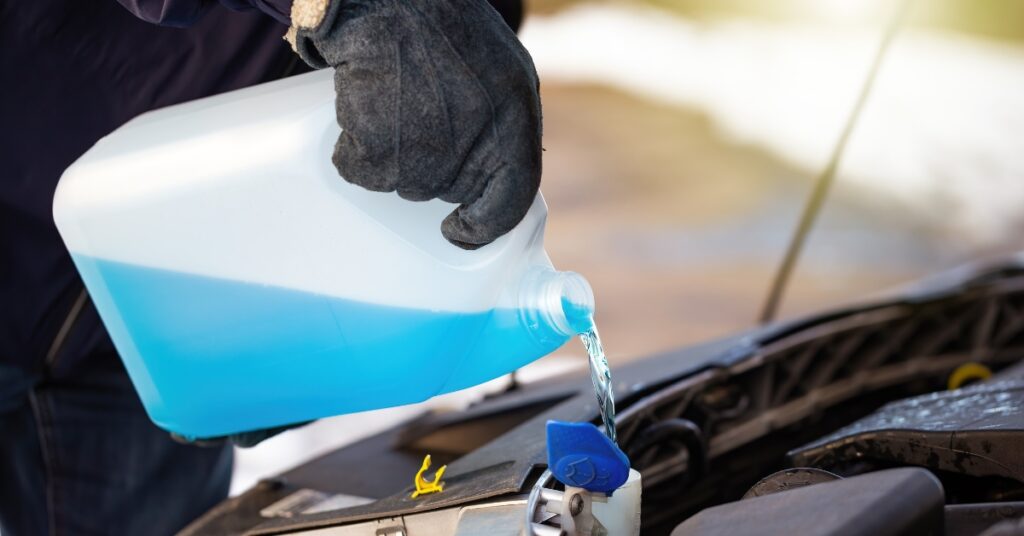
Vehicle fluids are easy to overlook because they do their jobs quietly in the background. Unlike brake pads or tires, you can’t always see them wearing out during everyday driving. However, engine oil, coolant, transmission fluid, brake fluid, and other essential fluids all change over time as they are exposed to heat, pressure, moisture, and contaminants. As their protective properties decline, the systems they support often have to work harder to maintain normal operation.
Give Your Car The TLC It Needs Before & After a Road Trip

Road trips are supposed to be about making memories, not dealing with unexpected vehicle problems. Whether you’re heading to the beach, visiting family, or taking a long summer vacation, your vehicle will likely experience more miles, more heat, and more operating time than it does during a typical week of driving. Long highway stretches, stop-and-go traffic, steep grades, and summer temperatures all place additional demands on critical vehicle systems.
Your Car’s A/C System May Be Overworking Itself
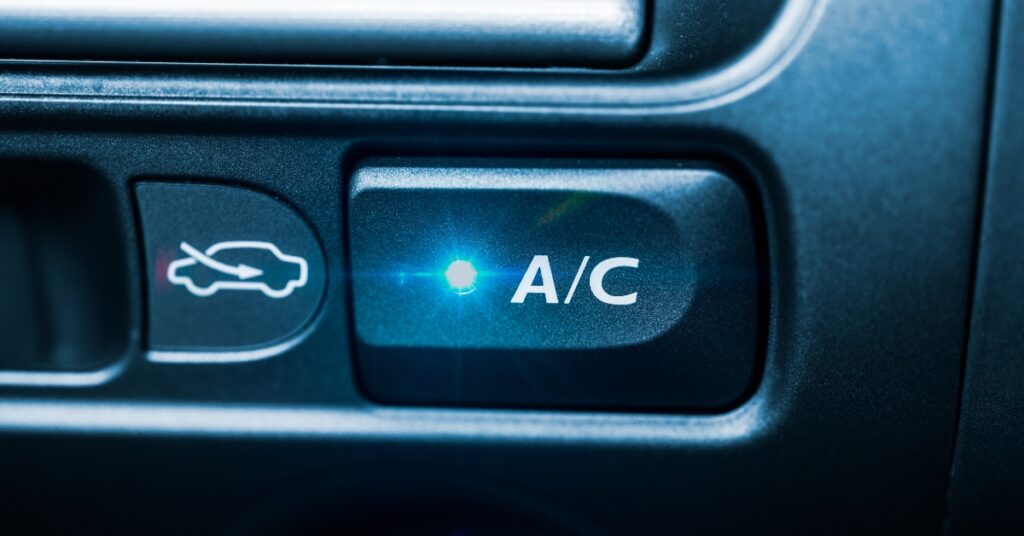
Most drivers assume their vehicle’s air conditioning system is functioning properly as long as cold air is still coming from the vents. In reality, an A/C system can gradually lose efficiency long before it stops cooling altogether. As airflow becomes restricted, refrigerant levels decline, or individual components begin to wear, the system often has to work harder to maintain the same cabin temperature. These changes typically happen slowly, which makes them easy to overlook until summer temperatures expose the problem.
Weak A/C Airflow In Your Car Can Point to Bigger Issues

Weak airflow from your vehicle’s A/C vents is easy to dismiss at first, especially if the air still feels somewhat cool. Many drivers assume reduced airflow is simply part of an aging vehicle or a temporary inconvenience during hotter weather. In reality, weak A/C airflow can be an early sign that part of the air conditioning or ventilation system is no longer operating efficiently. As temperatures rise and the A/C system works harder, these smaller issues often become more noticeable.