
Is Your Car’s A/C System Ready For Warmer Weather?

As temperatures rise in the spring, many drivers turn on their vehicle’s air conditioning system again after months of little or no use. While the A/C system may seem like something you only think about during the hottest days of summer, preparing it before warm weather arrives can help ensure consistent cooling performance when you need it most. A seasonal inspection allows technicians to evaluate refrigerant levels, airflow, and key system components before the system is placed under heavier demand.
Spring Car Care Checklist For Atlanta Drivers

Spring is an ideal time for drivers to review their vehicle’s condition and address maintenance needs that may have developed during the winter months. Even in Atlanta, where winters are milder than in many parts of the country, seasonal temperature swings, potholes, road debris, and everyday driving place stress on several vehicle systems. Fluids can degrade, tires can lose proper inflation, and suspension components may begin to show signs of wear. Completing a spring car care checklist helps drivers identify these issues early and ensure their vehicle is prepared for warmer weather and increased driving throughout the year.
April Is Spring National Car Care Month
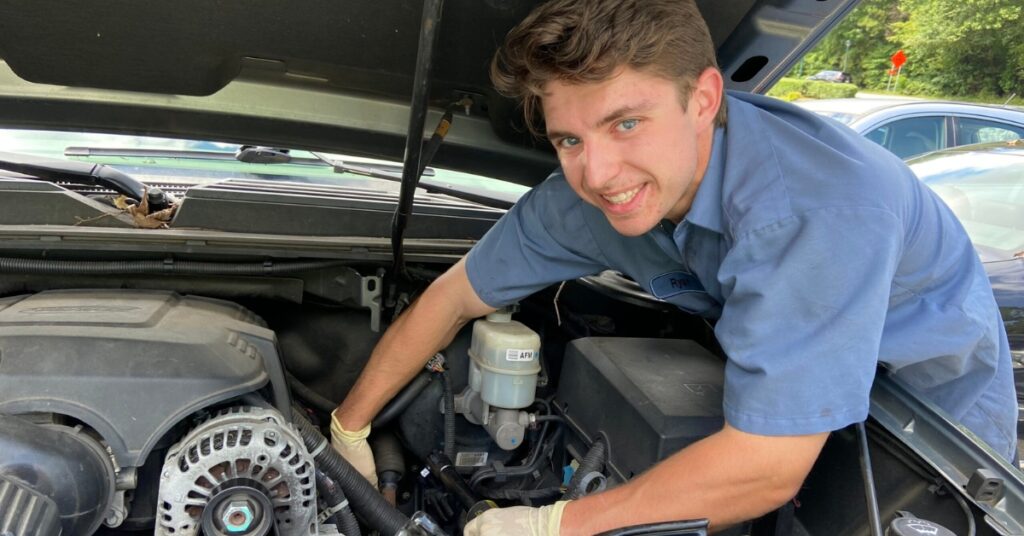
April is recognized as National Car Care Month. This nationwide initiative encourages drivers to review their vehicle’s maintenance needs and address issues that may have developed over the winter months. In April, as winter comes to an end, it is time to get your car ready for spring driving and summer road trips! It is important to make sure your tires, brakes, and windshield wipers are ready for the rain and to address any issues that may have occurred or been ignored during winter.
The Role Oxygen Sensors Play In Engine Performance
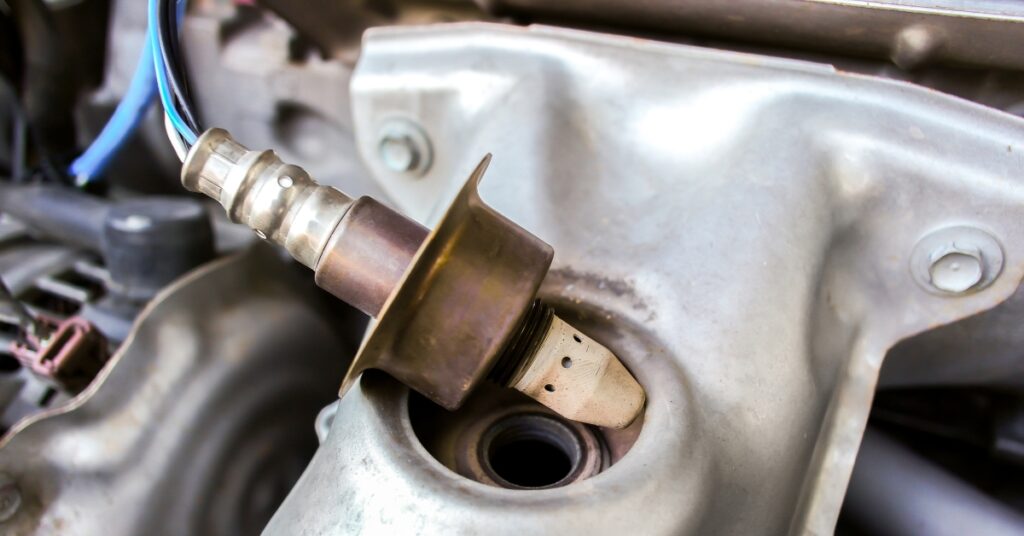
Oxygen sensors are a critical component in modern engine management systems. They monitor the amount of unburned oxygen in the exhaust stream and send real-time data to the engine control module (ECM). That data allows the vehicle to adjust the air-fuel mixture continuously, helping the engine operate efficiently under changing conditions. When oxygen sensor data is accurate, the engine can maintain balanced combustion, stable performance, and controlled emissions.
Suspension Wear Can Affect More Than Ride Comfort
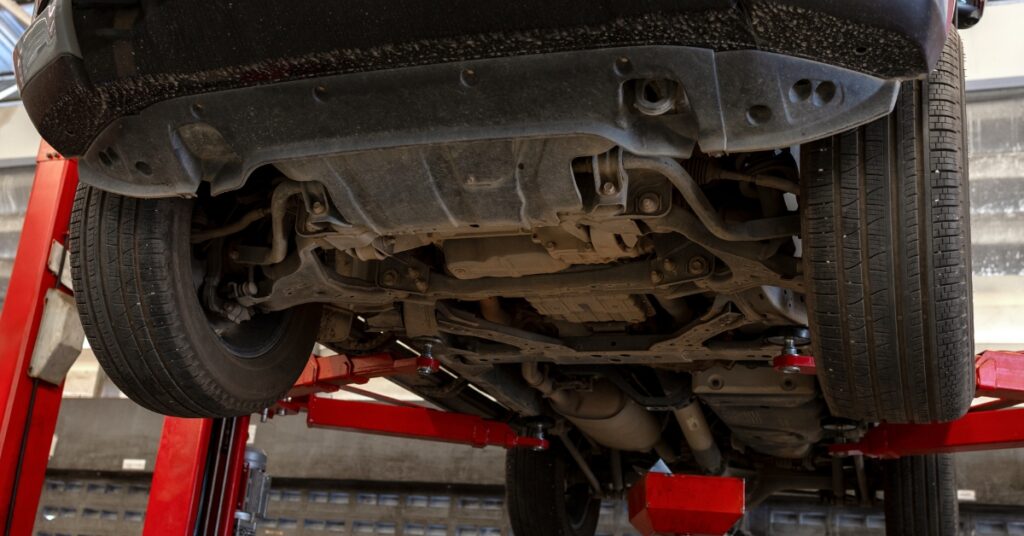
Most drivers associate the suspension system with ride comfort. While shocks, struts, springs, and control arms certainly help smooth out bumps in the road, their role extends far beyond comfort. The suspension system controls how your tires maintain contact with the road, how your vehicle handles weight transfer, and how forces are distributed across multiple components. As suspension parts wear, effects extend beyond ride quality.
Why Delaying Small Repairs Often Leads To Larger Expenses

Small vehicle issues rarely remain isolated. Modern vehicles operate as interconnected systems where friction, heat, pressure, and load are distributed across multiple components. When one part begins to wear, surrounding systems often compensate, increasing stress beyond their normal operating range. Addressing minor concerns early helps reduce the likelihood that additional strain will develop into broader mechanical damage.
Why Vehicle Maintenance Is Based On Timing, Not Guesswork
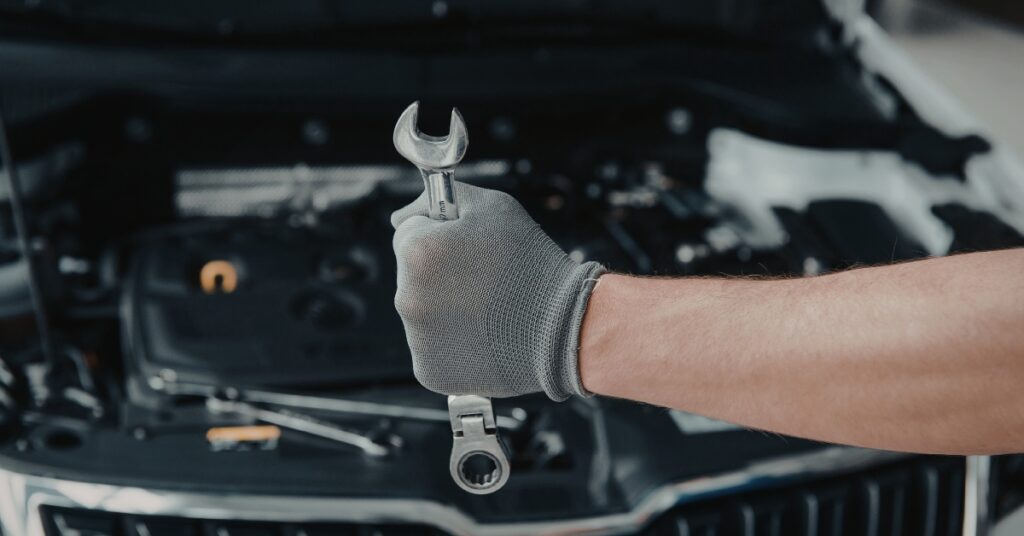
Scheduled maintenance helps vehicles manage wear before it turns into larger mechanical problems. Every vehicle system operates under heat, pressure, and friction, which cause gradual degradation over time. Maintenance intervals are not arbitrary. They are based on known wear patterns and performance data. Following a structured maintenance schedule helps reduce the risk of unexpected repairs and supports long-term vehicle reliability.
Why Short Trips in Cold Weather Are Hard on Your Engine
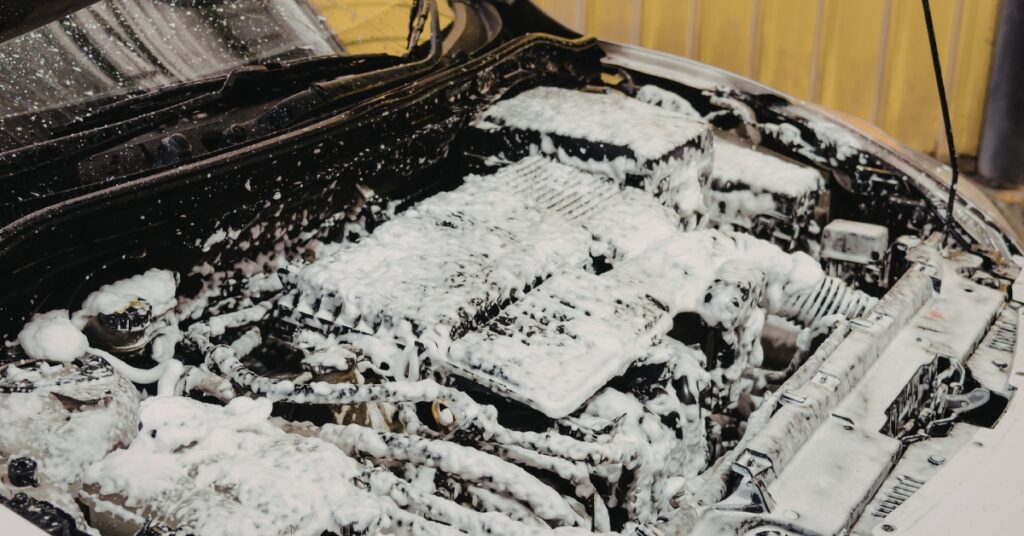
Short trips in cold weather place more stress on your engine than most drivers realize. When an engine does not reach full operating temperature, several protective systems never function at their intended level. Understanding what happens mechanically during these short trips helps you protect your vehicle, even during brief cold snaps.
Cold Weather Car Care Tips for Atlanta Drivers

Extreme cold is not something Atlanta drivers deal with often, but when temperatures drop quickly, vehicles feel it. Sudden drops in temperature impact fluids, batteries, tires, and rubber components in ways that are easy to overlook but simple to manage.
Trusted Transmission Mechanic Shop Near Me In Sandy Springs, GA
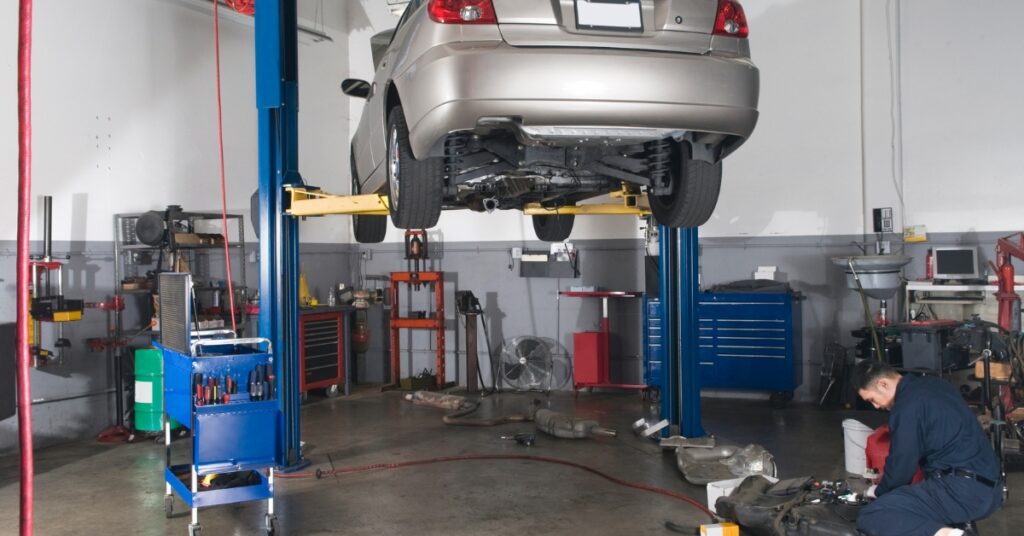
Searching for a trusted transmission mechanic shop near me usually means something feels wrong with your gear shifting, and you want clear answers fast. Transmission concerns can be stressful because the system is complex and repairs are often misunderstood. At McCullough NAPA Auto Care in Sandy Springs, our approach is built around accurate diagnostics, honest recommendations, and helping drivers make informed decisions before unnecessary repairs are performed.