
Table of Contents
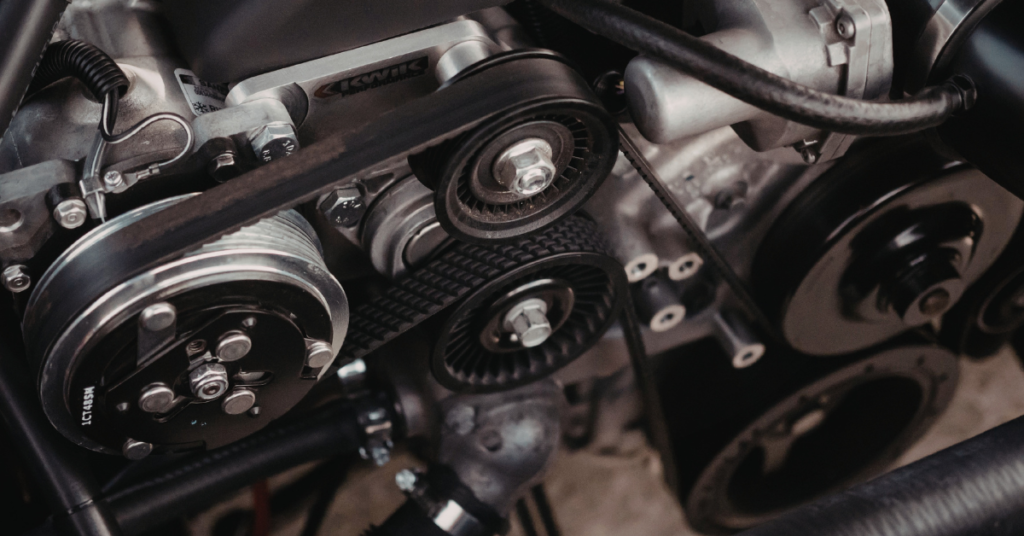
The serpentine belt is a single, continuous belt that drives several critical components in your engine, including the alternator, power steering pump, air conditioning compressor, and, in many vehicles, the water pump. Because it powers multiple systems at once, the serpentine belt plays a central role in keeping your vehicle operating normally. When it begins to wear, crack, or lose tension, the effects are not limited to one system, they can affect several areas of the vehicle at once.
Ignoring a worn serpentine belt can lead to a chain reaction of issues that affect drivability, engine performance, and system reliability. What often starts as a minor wear item can quickly develop into a situation in which multiple systems no longer function as intended. Understanding what the serpentine belt does, and what happens when it fails, helps put into perspective why timely inspection and replacement matter.
What the Serpentine Belt Controls in Your Vehicle
The serpentine belt connects the engine’s crankshaft to several accessory components that rely on rotational power to function. As the engine runs, the belt spins and transfers that motion to systems that support electrical charging, steering assistance, climate control, and engine cooling. Because the same belt interconnects these components, the serpentine belt’s condition directly affects how each system performs.
If the belt begins to slip due to wear or reduced tension, these components may not operate at full capacity. This can lead to subtle performance changes at first, but over time, reduced efficiency can place additional strain on these systems and affect overall vehicle operation.
How a Worn Serpentine Belt Negatively Affects Your Vehicle
A worn serpentine belt can create a chain reaction of issues across several systems. These effects may begin gradually, but they can become more noticeable as the belt continues to wear or lose tension.
Loss of Power Steering Assistance
One of the first noticeable effects of a failing serpentine belt can be a change in steering feel. The power steering pump relies on the belt to provide hydraulic or mechanical assistance when turning the wheel. If the belt slips or breaks, that assistance may be reduced or lost entirely.
Without proper power steering support, the steering wheel can become significantly harder to turn, especially at lower speeds or when parking. This change can happen quickly if the belt fails, making the vehicle more difficult to control in certain driving situations.
Battery Drain and Charging System Issues
The alternator is another component driven by the serpentine belt, and it plays a critical role in maintaining the vehicle’s electrical system. The alternator charges the battery while the engine is running and supplies power to the vehicle’s electrical components.
If the serpentine belt is worn or breaks, the alternator may no longer generate sufficient power. This can lead to a gradual loss of electrical function as the battery discharges. Warning lights may appear on the dashboard, and eventually, the vehicle may no longer start or continue running once the battery is depleted.
Overheating Due to Water Pump Disruption
In many vehicles, the serpentine belt also drives the water pump, which circulates coolant through the engine to regulate temperature. If the belt is not functioning properly, the water pump may not circulate coolant at the necessary rate.
Without proper coolant flow, engine temperatures can rise quickly. Overheating can develop quickly, especially in stop-and-go traffic or warmer weather. Elevated engine temperatures place stress on internal components and can lead to more extensive engine-related concerns if not addressed promptly.
Reduced A/C Performance
The air conditioning compressor also depends on the serpentine belt to operate. If the belt begins to slip or lose tension, the compressor may not function efficiently, which can affect the system’s ability to cool the cabin.
Drivers may notice reduced cooling performance or inconsistent airflow, particularly under load. While this may seem like a comfort issue at first, it can also be an early indicator that the serpentine belt is no longer operating properly.
What Happens When the Serpentine Belt Breaks Completely
If the serpentine belt breaks entirely, the systems it powers can stop functioning almost immediately. Power steering assistance can be lost, the alternator will no longer charge the battery, and, in vehicles with a belt-driven water pump, engine temperature can rise quickly due to reduced coolant circulation.
Because multiple systems are affected at once, a broken serpentine belt can leave the vehicle difficult to drive or unable to continue operating. In many cases, this type of failure occurs without much warning, beyond visible wear or noise before the break.
Early Inspection Matters – Schedule Serpentine Service Today
Serpentine belts typically show signs of wear before failure, including cracking, fraying, glazing, or changes in tension. These signs may not always affect vehicle performance right away, which is why routine inspection is important. Identifying belt wear early allows for replacement before multiple systems are affected.
At McCullough NAPA Auto Care in Sandy Springs, our ASE-certified technicians inspect serpentine belts as part of routine maintenance and multi-point inspections. If wear is present, we can recommend replacement based on the belt’s condition and the system’s overall operation. Addressing serpentine belt wear early helps maintain proper function across several critical vehicle systems. Contact us to schedule your service appointment.