Table of Contents
Most vehicle problems don’t start as major repairs. Instead, they develop gradually as small issues go unnoticed during everyday driving. Because these changes happen slowly, your car can continue to feel normal even as certain systems begin to operate less efficiently. A slight drop in fluid level, a small amount of debris in a filter, or minor component wear may not immediately affect drivability, which is why these issues are often overlooked. Over time, however, these small inefficiencies can compound and begin to affect performance, reliability, and overall vehicle condition.
Vehicles are designed to operate within specific ranges for temperature, pressure, airflow, and lubrication. When small issues push those systems outside their intended range, even slightly, it can place additional strain on related components. Addressing minor concerns early helps maintain consistent performance and prevents multiple systems from being affected simultaneously.
These Small Issues In Cars Can Often Go Unnoticed
Many vehicle systems are designed with built-in tolerance, allowing them to continue operating even as conditions begin to change. As fluids degrade, components wear, or airflow becomes slightly restricted, the vehicle can compensate in ways that make these changes difficult to detect during normal driving. This is why a car can continue to feel “fine” even when it is no longer operating at peak efficiency.
Because these changes are gradual, drivers often do not recognize them until performance differences become more noticeable. By the time symptoms such as reduced responsiveness, unusual noise, or inconsistent operation appear, the issue may have already progressed beyond its early stage. Regular inspections help identify these gradual changes before they begin to affect multiple systems.
Minor Fluid Loss or Degradation
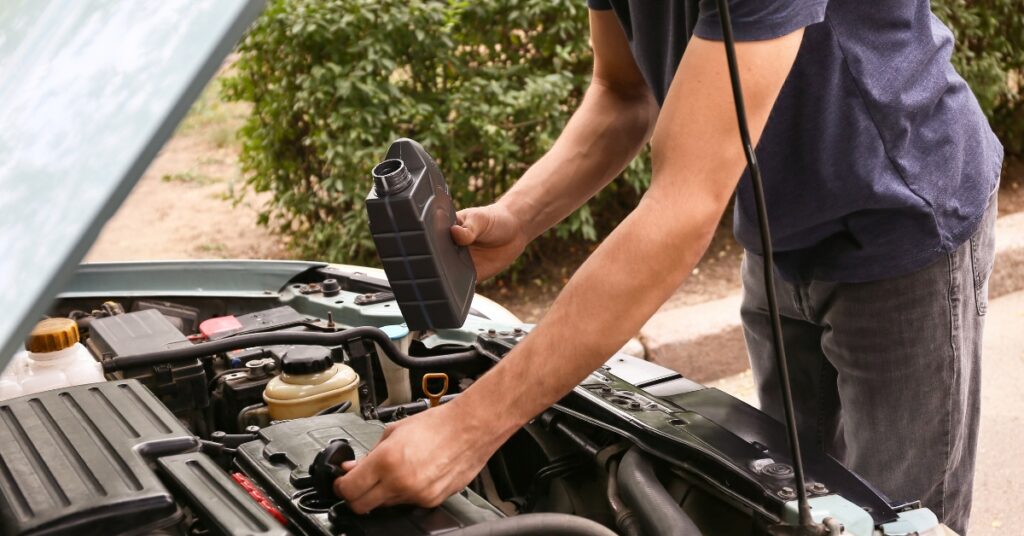
Fluids play a central role in how your vehicle operates, providing lubrication, cooling, and hydraulic function across several systems. Over time, fluid levels can drop due to small leaks or natural evaporation, while heat and contaminants can break down the fluid itself. Even minor changes in fluid condition can affect how well these systems perform, particularly under higher operating temperatures.
As fluid quality declines, lubrication becomes less effective, increasing friction and wear in critical components. Coolant that has degraded may not regulate engine temperature as efficiently, and brake fluid that has absorbed moisture can affect braking consistency. Addressing fluid conditions early helps maintain proper system balance and reduces the likelihood of additional wear developing over time.
Restricted Airflow Through Filters
Airflow is essential for both engine performance and interior comfort, and filters are designed to protect these systems by trapping contaminants. As filters collect dust, dirt, and debris, they become more restrictive, which limits how much air can pass through them. This restriction often develops slowly, which is why drivers may not immediately notice a change in performance.
A restricted engine air filter can affect the air-fuel mixture by limiting the amount of air entering the engine, reducing efficiency and performance. At the same time, a clogged cabin air filter can reduce airflow through the ventilation system, making it harder to maintain a consistent temperature inside the vehicle. Replacing filters at appropriate intervals helps restore proper airflow and allows these systems to operate more efficiently.
Gradual Brake Wear
Brake components are designed to wear over time as part of normal vehicle operation. Brake pads gradually lose material with use, and rotors experience continuous contact with the pads, leading to wear. Because this process happens incrementally, many drivers do not notice a change in braking performance until the wear becomes more advanced.
As brake components continue to wear, stopping distances can increase, and heat buildup may become more significant during braking. This can place additional stress on other parts of the braking system and reduce overall performance. Regular inspections allow technicians to monitor wear levels and recommend service before braking performance is noticeably affected.
Tire Wear and Alignment Changes
Tires are constantly exposed to road conditions, temperature changes, and driving forces that affect how they wear over time. Alignment angles can shift slightly due to potholes or uneven road surfaces, and tire pressure can fluctuate with temperature changes. These factors can contribute to uneven tread wear that develops gradually without immediately affecting how the vehicle feels to drive.
As tire wear progresses, it can reduce traction, affect handling, and shorten the tires’ overall lifespan. In addition, uneven wear can place additional strain on suspension components as they compensate for inconsistent road contact. Maintaining proper alignment and tire condition helps ensure stable handling and consistent performance.
Early Electrical and Battery Changes
Electrical systems rely on consistent voltage and proper connections to function correctly. Over time, battery capacity can decline, and corrosion may begin to develop around terminals and connections. These changes typically occur gradually and may not cause immediate issues, which is why they are often overlooked.
As the battery weakens, it may become less reliable under certain conditions, such as temperature changes or extended use. Electrical components may also receive inconsistent power, which can affect system performance. Testing the battery and inspecting connections helps identify early signs of wear before they affect vehicle operation.
Addressing Small Issues Early Makes a Difference
Small issues rarely remain isolated within a vehicle. As one system begins to operate less efficiently, it can place additional demand on related components, creating a compounding effect over time. What begins as a minor concern, such as a slightly restricted filter or a small drop in fluid level, can gradually contribute to larger performance issues if left unaddressed.
Addressing these concerns early helps maintain proper system balance and allows each component to operate within its intended range. Routine inspections provide an opportunity to identify small issues and make informed maintenance decisions before they affect overall vehicle reliability and performance.
Schedule a Vehicle Inspection in Atlanta
McCullough NAPA Auto Care in Sandy Springs staffs ASE-certified technicians who perform thorough inspections to identify small issues before they develop into larger concerns. During every visit, we complete a complimentary multi-point inspection that reviews fluid levels, tire condition, braking components, and other key systems across the vehicle.
Scheduling routine maintenance allows you to stay ahead of gradual wear and helps ensure your vehicle continues to operate consistently over time, even as driving conditions and seasons change. Contact us to get started.