
Table of Contents
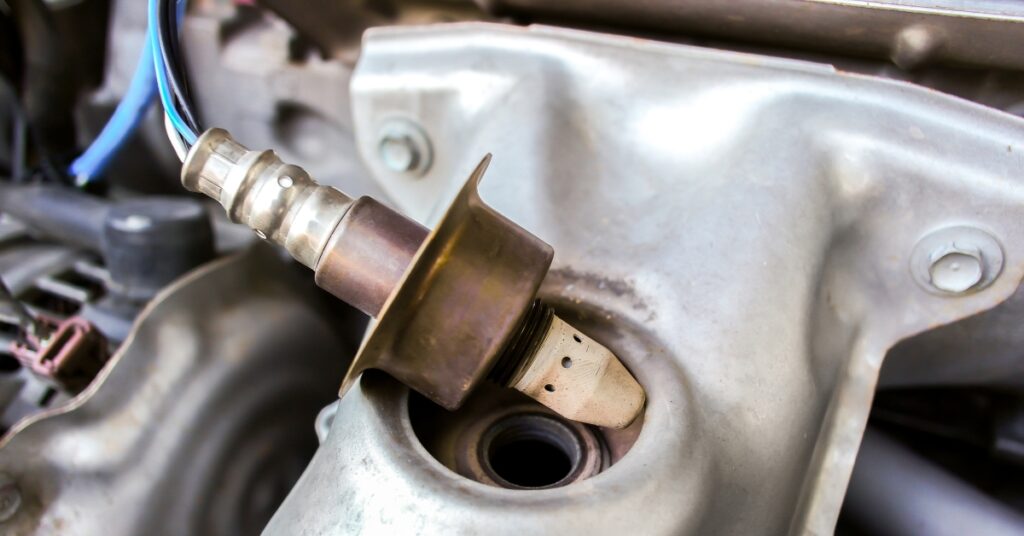
Oxygen sensors are a critical component in modern engine management systems. They monitor the amount of unburned oxygen in the exhaust stream and send real-time data to the engine control module (ECM). That data allows the vehicle to adjust the air-fuel mixture continuously, helping the engine operate efficiently under changing conditions. When oxygen sensor data is accurate, the engine can maintain balanced combustion, stable performance, and controlled emissions.
Because fuel mixture directly affects combustion temperature, power output, and exhaust quality, oxygen sensors influence far more than fuel economy alone. They play an ongoing role in protecting engine components and supporting emissions system performance. Understanding what oxygen sensors actually control helps explain why they are so important to overall engine operation.
Oxygen Sensors Work To Regulate Air-Fuel Mixture
Modern engines rely on precise air-fuel ratios to function properly. Too much fuel creates a rich mixture. Too much air creates a lean mixture. Oxygen sensors measure the oxygen remaining after combustion and report this to the ECM, which adjusts injector pulse width to maintain balance.
This adjustment happens continuously while the engine runs. During acceleration, cruising, idling, and deceleration, the ECM relies on oxygen sensor feedback to refine fuel delivery. Without accurate sensor data, the engine may operate outside its intended efficiency range, increasing stress on internal components.
Fuel Efficiency and Combustion Stability
Proper combustion depends on a controlled mixture of air and fuel. When oxygen sensors provide accurate readings, the engine can maintain near-optimal combustion conditions. Stable combustion supports consistent power delivery and helps prevent excessive fuel consumption.
If sensor data becomes inaccurate, the engine may default to a richer mixture as a precaution. While this protects against lean conditions, it can reduce fuel efficiency and increase carbon buildup over time. Maintaining accurate oxygen sensor performance supports cleaner and more controlled combustion cycles.
Emissions System Protection
Oxygen sensors also work in coordination with the catalytic converter. Upstream sensors monitor fuel mixture, while downstream sensors evaluate catalytic converter performance. Together, they help ensure exhaust gases are properly treated before exiting the tailpipe.
If the fuel mixture remains too rich for extended periods, excess unburned fuel can enter the exhaust system. This increases heat inside the catalytic converter and can accelerate internal degradation. Accurate oxygen sensor feedback helps reduce the likelihood of excessive exhaust temperatures and protects emissions components from unnecessary stress.
Engine Temperature and Internal Component Stress
Air-fuel ratio directly influences combustion temperature. Lean mixtures can increase combustion heat, while rich mixtures can alter burn efficiency and create carbon deposits. Both conditions can affect valves, pistons, and exhaust components over time.
By continuously adjusting fuel delivery, oxygen sensors help maintain controlled combustion temperatures. Stable temperature control supports component longevity and reduces thermal stress risk.
What Happens When Oxygen Sensor Data Becomes Inaccurate
Oxygen sensors do not typically fail all at once. Over time, contamination from fuel additives, oil consumption, or normal wear can slow sensor response. As responsiveness declines, the ECM may receive delayed or inconsistent data.
When this occurs, fuel mixture adjustments may become less precise. The engine may compensate by enriching the mixture, which can increase fuel consumption and emissions output. In more advanced cases, persistent imbalance may contribute to catalytic converter stress or drivability concerns.
Because the engine management system depends heavily on sensor feedback, accurate diagnostics are essential. A check engine light may indicate a sensor code, but proper testing determines whether the issue is the sensor itself or a related fuel or exhaust condition.
Professional Diagnosis Matters
Oxygen sensor performance is evaluated using scan tool data, voltage readings, and response-time testing. Simply replacing a sensor without confirming the root cause can overlook underlying issues such as exhaust leaks or fuel delivery concerns.
At McCullough NAPA Auto Care in Sandy Springs, our ASE-certified technicians perform comprehensive diagnostic evaluations when sensor-related codes appear. Identifying whether the issue is sensor degradation or a broader system imbalance helps ensure appropriate and accurate repair decisions.
Maintaining accurate oxygen sensor function supports engine efficiency, controlled emissions, and balanced performance. Addressing sensor concerns early helps reduce the likelihood of additional stress on fuel and exhaust systems.
FAQ About Small Vehicle Repairs and Damage Timelines
Yes. They help regulate air-fuel mixture, which directly influences fuel efficiency.
Prolonged rich fuel conditions may increase catalytic converter temperature and stress.
Yes. Heat cycles and contamination can gradually reduce responsiveness.
Not necessarily. Diagnostic testing is required to confirm whether the sensor or another system is responsible.