
Table of Contents
Your vehicle’s shock absorbers play a critical role in maintaining ride comfort, handling, and overall stability. While many drivers associate shocks with creating a smoother ride, they actually do much more than absorb bumps in the road. Shock absorbers help keep your tires firmly planted on the pavement, allowing your steering, braking, and suspension systems to work together as intended. As shocks wear out over time, you may begin noticing changes in how your vehicle handles long before complete failure occurs.
Recognizing the early warning signs of worn shock absorbers can help you maintain better control of your vehicle, reduce unnecessary wear on other suspension components, and enjoy a safer, more comfortable driving experience. Here are six common signs that it may be time to have your suspension inspected.
1. Your Vehicle Bounces More Than It Used To
One of the most noticeable signs of worn shock absorbers is excessive bouncing after driving over bumps, potholes, or uneven pavement. Healthy shocks quickly stabilize the vehicle after an impact, while worn shocks allow the suspension to continue moving longer than it should.
If your vehicle continues to bounce after crossing railroad tracks, speed bumps, or rough roads, the shock absorbers may no longer be effectively controlling suspension movement.
2. The Front of Your Vehicle Dives When Braking
Shock absorbers help manage weight transfer whenever you accelerate, brake, or turn. As they wear, your vehicle may begin to pitch forward more noticeably during braking, causing the front end to “dive.”
Excessive front-end dive can make the vehicle feel less stable during sudden stops and may reduce driver confidence in emergency braking situations. While several suspension components can contribute to this symptom, worn front shocks are a common cause.
3. Your Vehicle Feels Unstable Around Corners
When turning, properly functioning shocks help keep the vehicle balanced by controlling body movement. As shocks wear out, you may notice increased body roll or a feeling that the vehicle leans excessively while cornering.
This reduced stability can make steering feel less precise, particularly during highway on-ramps, winding roads, or quick lane changes. If your vehicle no longer feels as planted as it once did, it’s worth having the suspension inspected.
4. You Notice Uneven Tire Wear
Shock absorbers help maintain consistent tire contact with the road surface. When shocks lose their ability to control suspension movement, tires may bounce slightly as you drive, leading to uneven tread wear over time.
Replacing tires without addressing worn shocks can allow abnormal tire wear to continue, potentially shortening the lifespan of your new tires. A suspension inspection can help determine whether worn shocks are contributing to the problem.
5. The Ride Feels Rougher or Less Controlled
Many drivers assume worn shocks simply create a rough ride, but they often produce the opposite effect as well. Some vehicles may feel overly harsh on rough roads, while others begin to feel floaty, loose, or less controlled at highway speeds.
If your vehicle no longer feels as comfortable or predictable as it once did, worn shock absorbers may be affecting overall ride quality and suspension performance.
6. You See Fluid Leaking From the Shock Absorbers
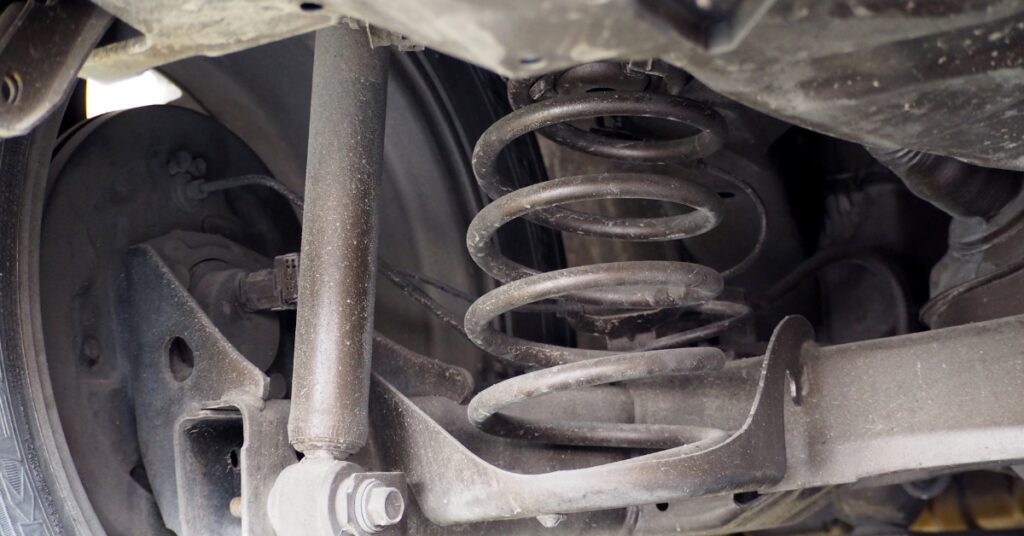
Most modern shock absorbers are sealed hydraulic units. If you notice oily residue or fluid leaking down the body of a shock absorber, it may indicate the internal seals have begun to fail.
Leaking shocks gradually lose their ability to dampen suspension movement, reducing both ride comfort and vehicle stability. During a suspension inspection, technicians can determine whether leaking shocks should be replaced.
Schedule Shock Inspection and Replacement with McCullough NAPA
If you’ve noticed increased bouncing, poor handling, uneven tire wear, or a rougher ride, don’t wait for the problem to worsen. Worn shock absorbers can affect vehicle stability, braking performance, and tire life, making routine suspension inspections an important part of preventative maintenance.
At McCullough NAPA Auto Care in Sandy Springs, our ASE-certified technicians perform comprehensive suspension inspections to evaluate the condition of your shock absorbers and other suspension components. If replacement is needed, we’ll recommend the repairs that will help restore your vehicle’s ride quality, handling, and overall performance. Contact us today to schedule your shock absorber inspection and keep your vehicle driving with confidence.
FAQ About Shock Replacement
Shock absorber lifespan varies depending on your vehicle, driving habits, and road conditions, but many begin showing signs of wear between 50,000 and 100,000 miles. Frequent driving on rough roads, potholes, or carrying heavy loads can accelerate wear. Even if you don’t notice obvious symptoms, having your suspension inspected periodically can help identify worn components before they affect handling or tire wear.
While a vehicle with worn shocks may still be drivable, it’s not recommended to ignore the problem. Worn shock absorbers can reduce vehicle stability, increase stopping distances, contribute to uneven tire wear, and make steering less predictable during emergency maneuvers or wet road conditions. Addressing the issue early helps maintain safer handling and ride quality.
Yes. Shock absorbers should generally be replaced in pairs on the same axle (both front or both rear). Replacing only one worn shock can create uneven handling characteristics and reduce overall suspension performance. Installing a matched pair helps maintain balanced ride quality and vehicle stability.
Although both help control suspension movement, they are different components. Shock absorbers primarily dampen suspension movement, while struts are structural suspension components that combine a shock absorber with other parts of the suspension assembly. Not every vehicle uses the same setup, so the required repair depends on your vehicle’s suspension design.
During a suspension inspection, technicians look for signs such as fluid leaks, physical damage, excessive bouncing, abnormal tire wear, and looseness in suspension components. They also evaluate how the vehicle responds during a road test to determine whether the shock absorbers are still controlling suspension movement properly.